Verdant
Echoes
An immersive VR installation exploring the emotional symbolism of plants across American and Korean cultural contexts.
01 / Enter the environment
Project overview
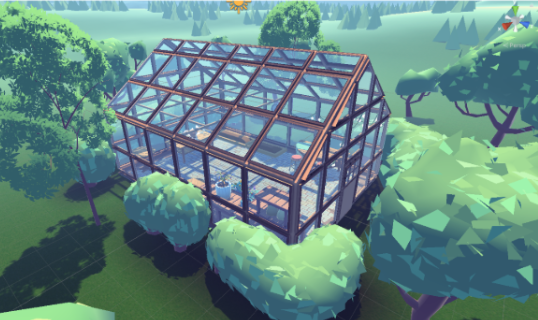
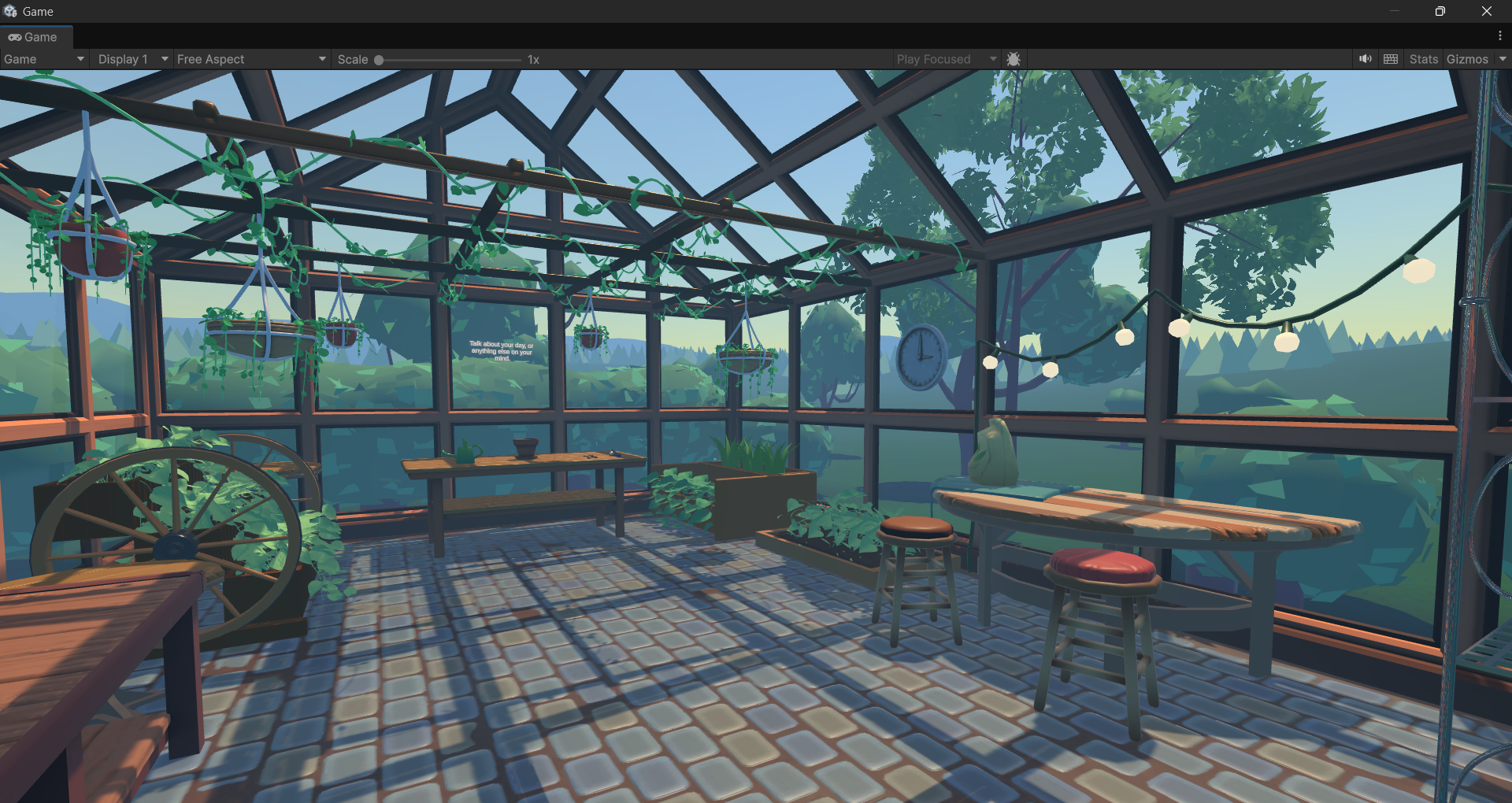
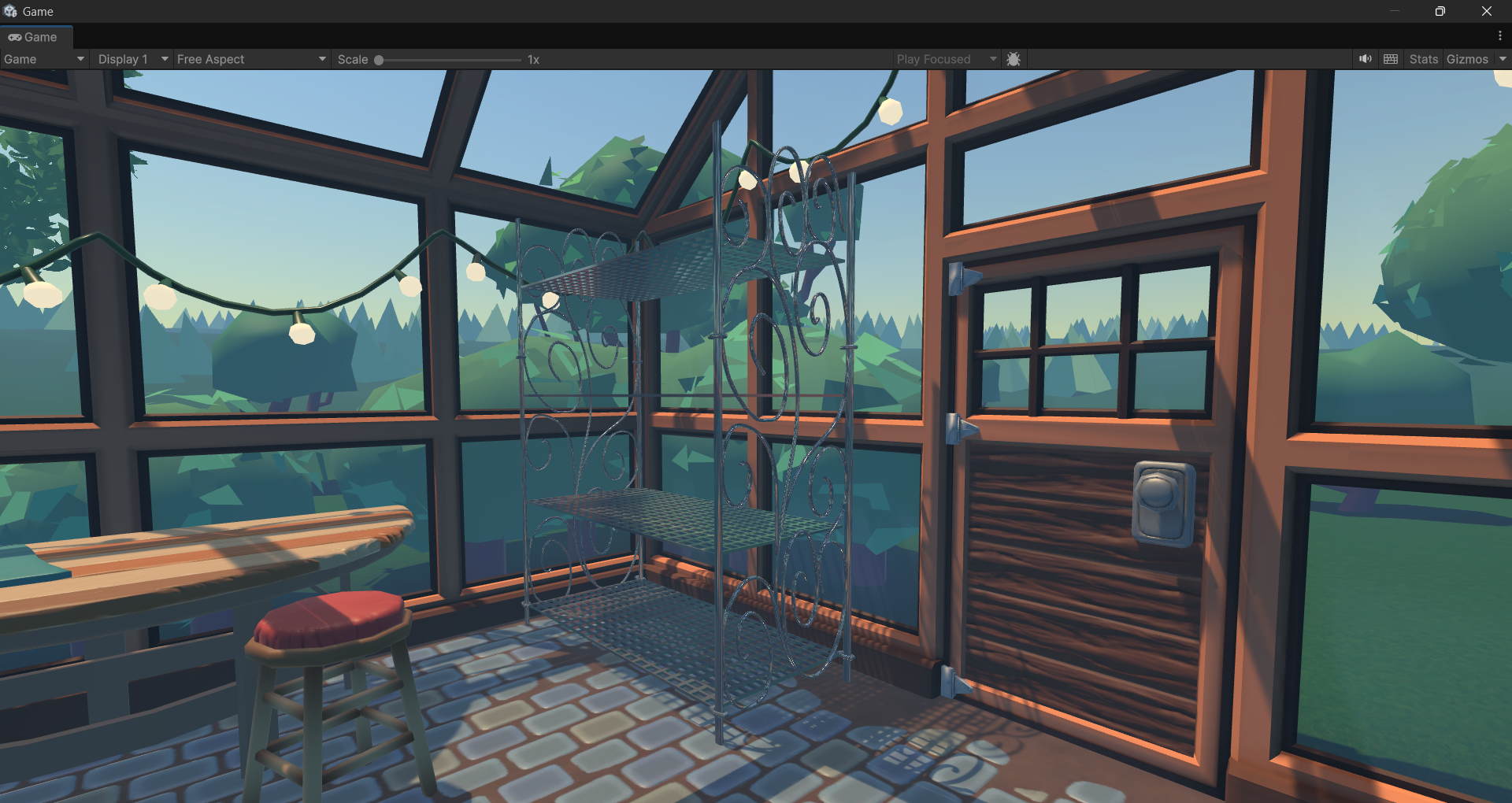
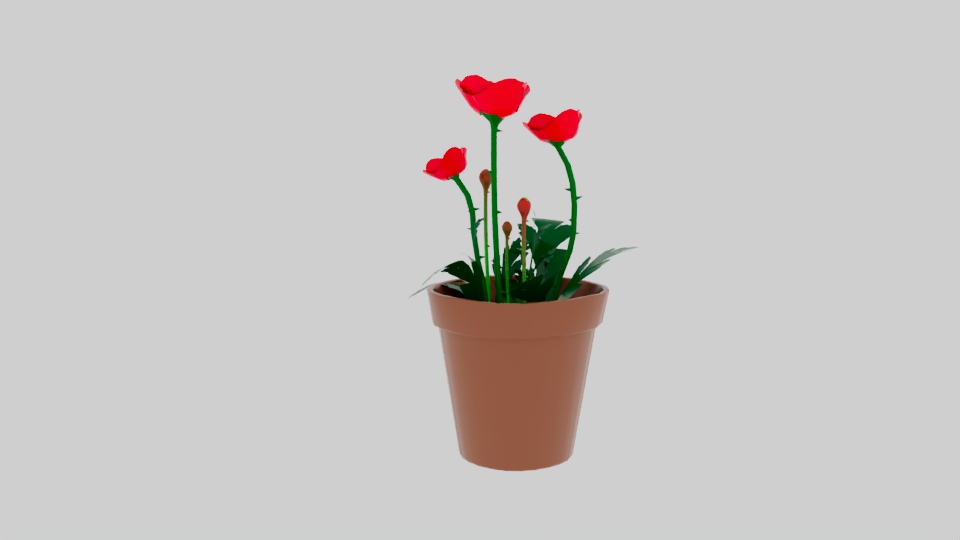
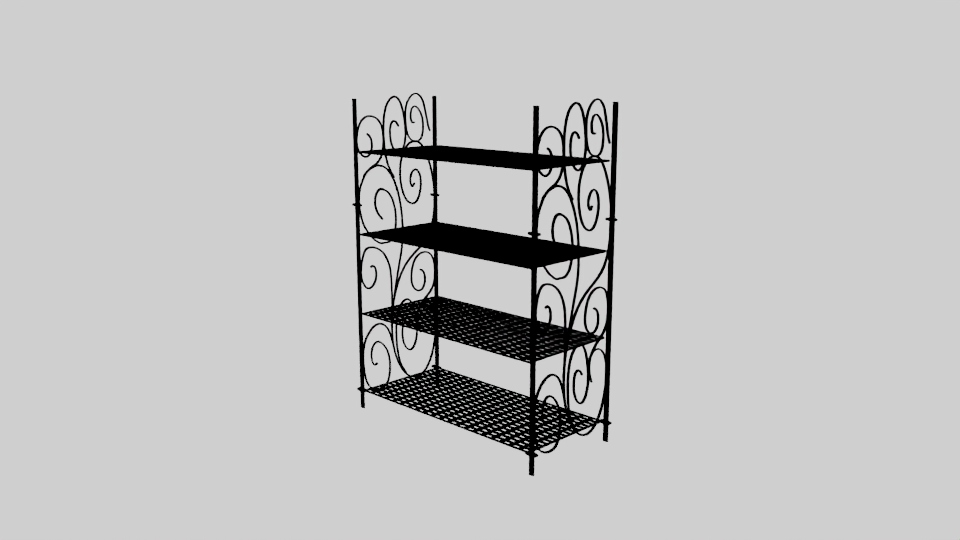
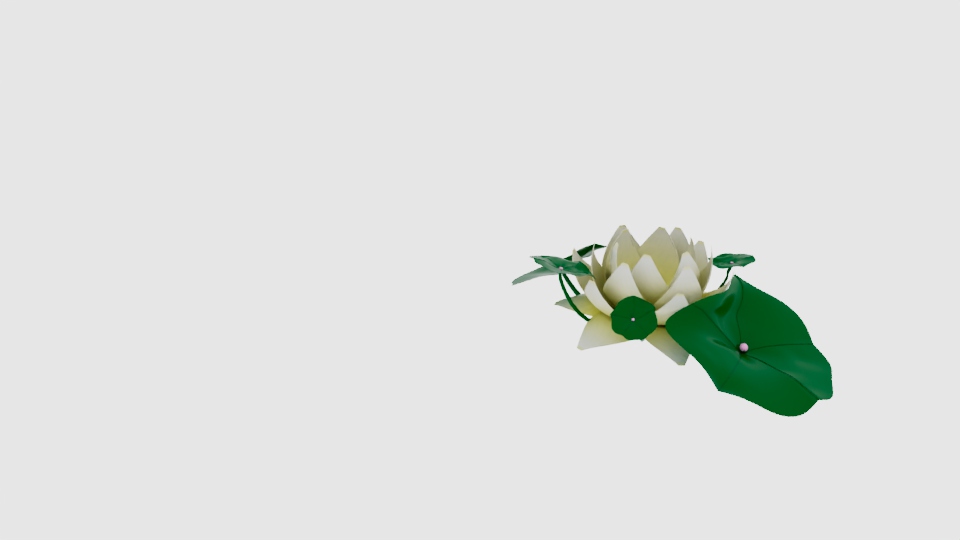
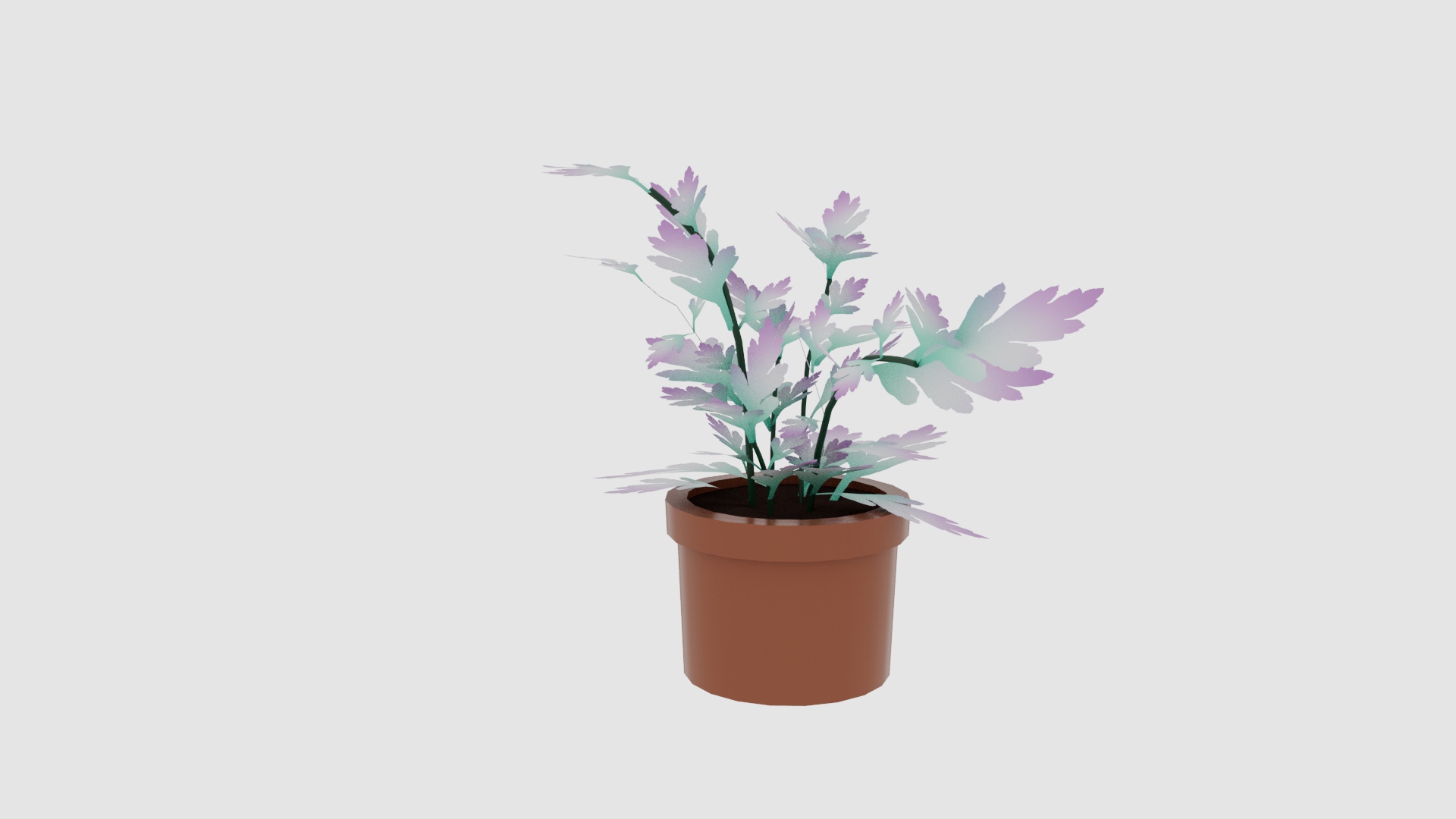
Verdant Echoes explores how emotional cues can be communicated through environmental design. I modeled and developed emotion-based plant and decorative assets, translating abstract ideas into form, color, and material within an immersive space.
Concept & intent
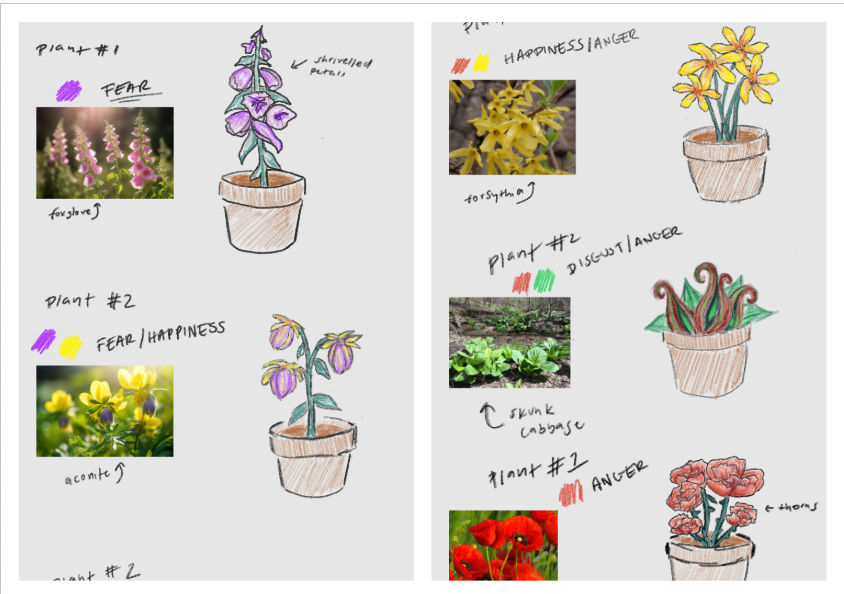
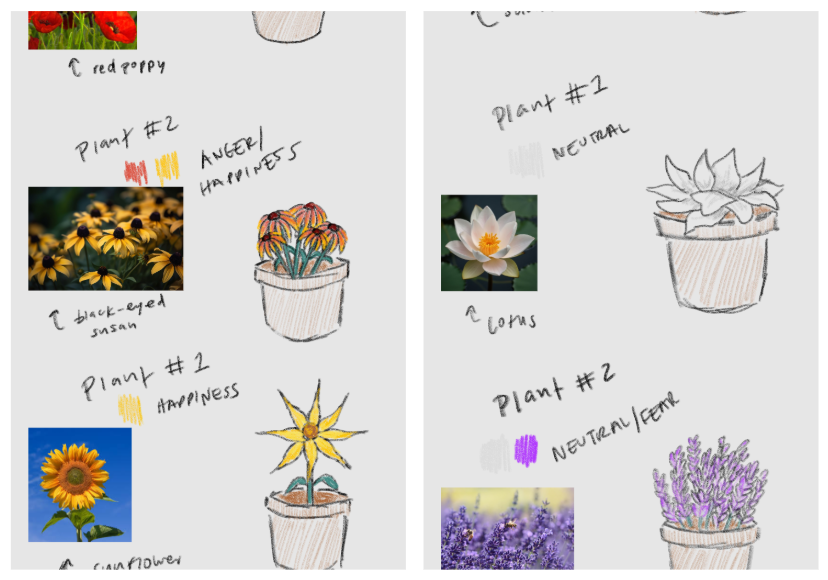
Descriptive keywords and visual references guided plant silhouette, surface detail, and palette—making emotional qualities readable as tangible in-world assets.
02 / Research sketches
Early plant research connected reference imagery, emotional descriptors, and form studies. These sketches established the visual language that guided each final model.
03 / Plant & prop development
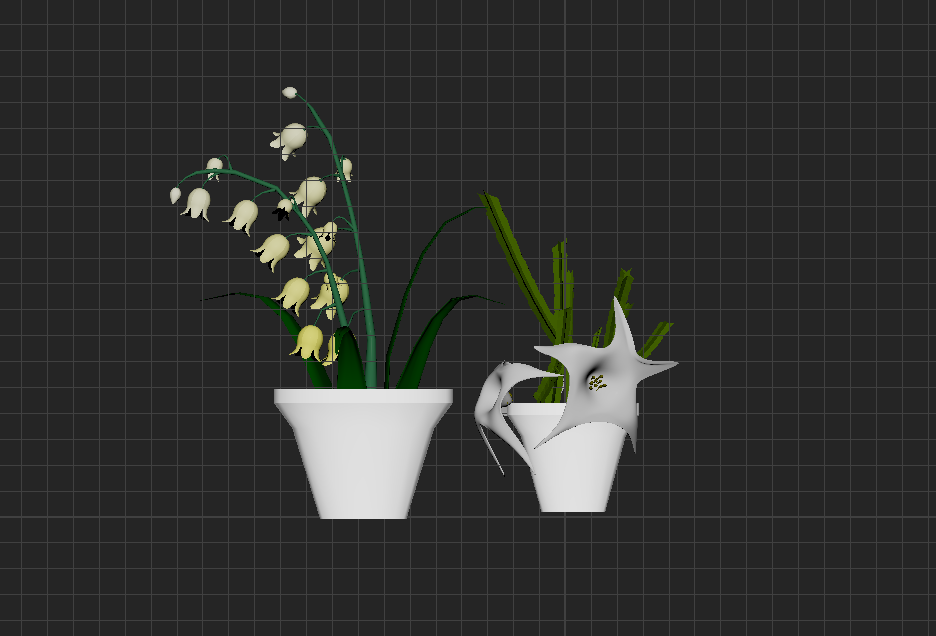
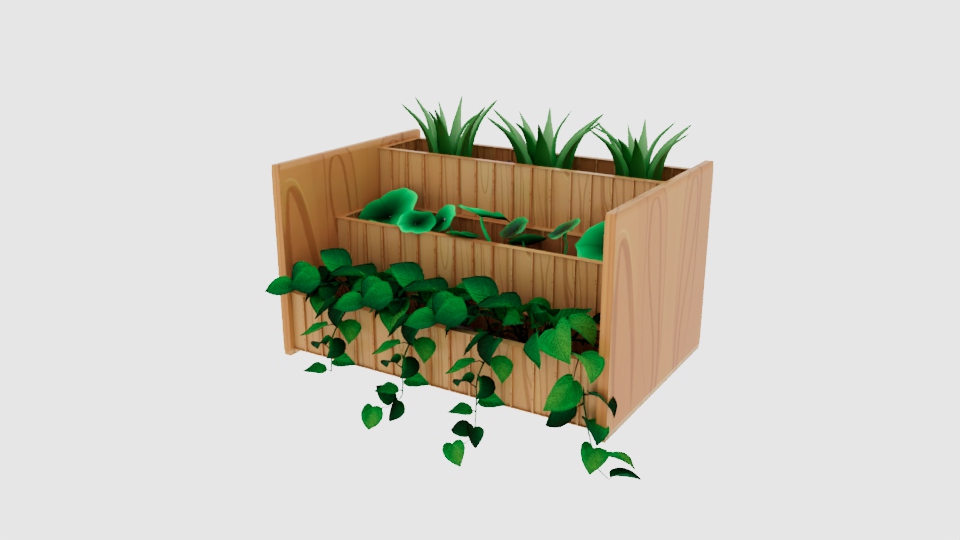
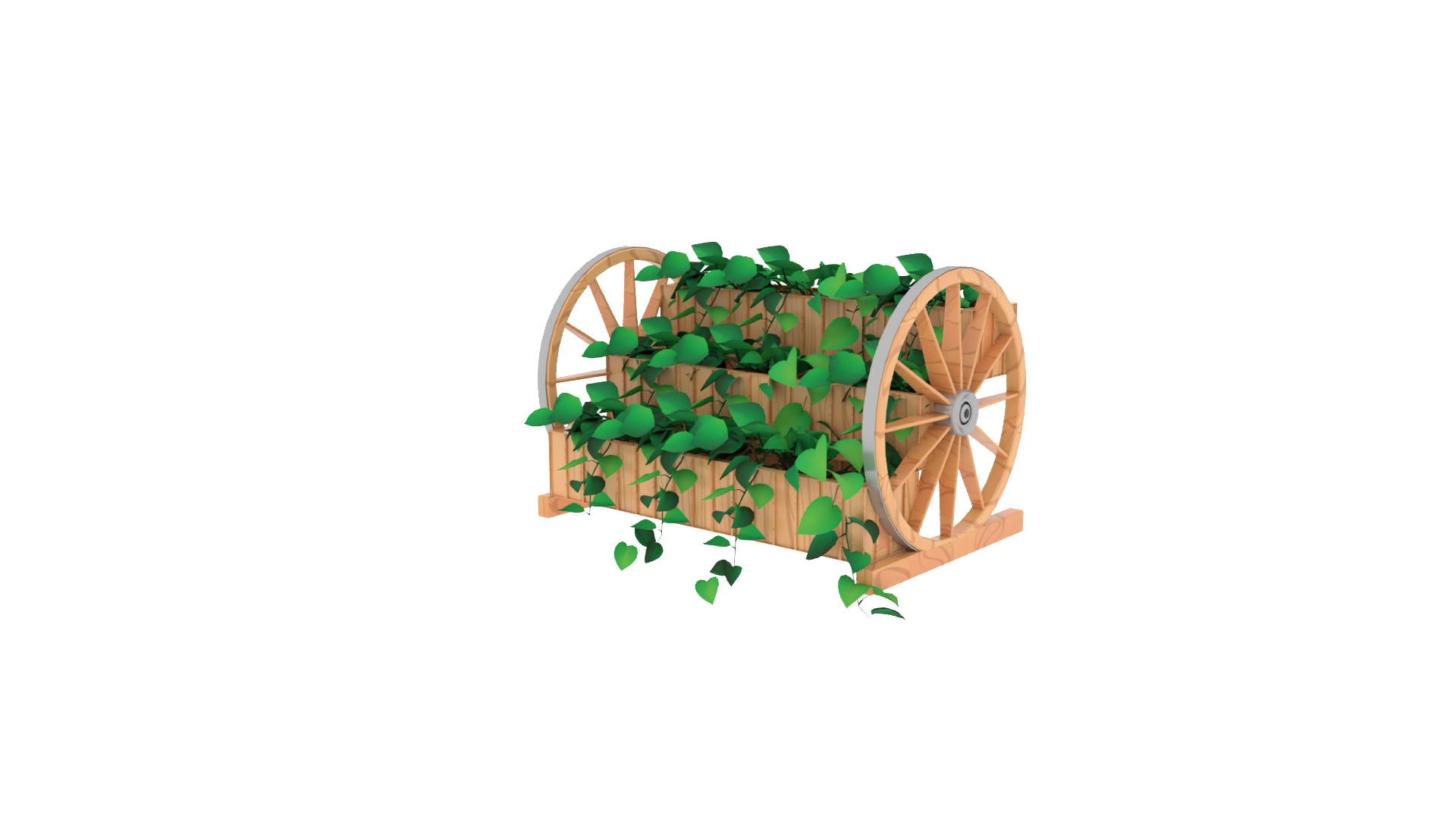
Each asset was modeled in Maya with clean topology and optimized for real-time VR. Scale, variation, and placement were designed to support mood, spatial rhythm, and visual cohesion inside the greenhouse.
Research context
Developed alongside a study of how environmental elements influence emotional perception in immersive VR experiences. Those findings informed asset design decisions throughout the project.
01 / A ritual in extended reality
Project overview
my seeking gut is an immersive cross-cultural performance exploring healing and transformation through Ssitkim-gut, a Korean spiritual cleansing ritual. AR/VR immersion and audience participation translate ritual into an interactive experience.
Collaboration
Directed by Moss in collaboration with Semi Ryu, Ph.D., whose work explores Korean healing rituals, the virtual body, and extended reality; and Soo Jung Chae, a Pansori singer, Shamanic practitioner, and professor of Korean Traditional Arts.
02 / Generative atmosphere
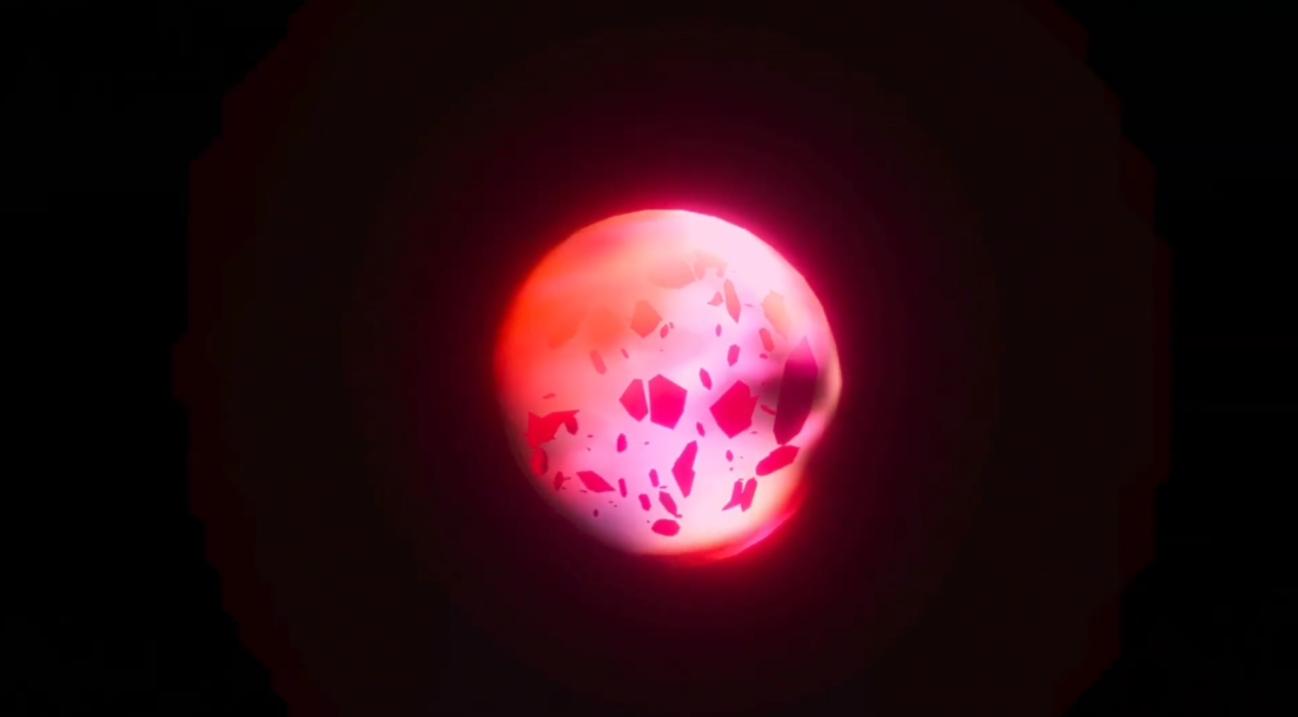
03 / Audience participation
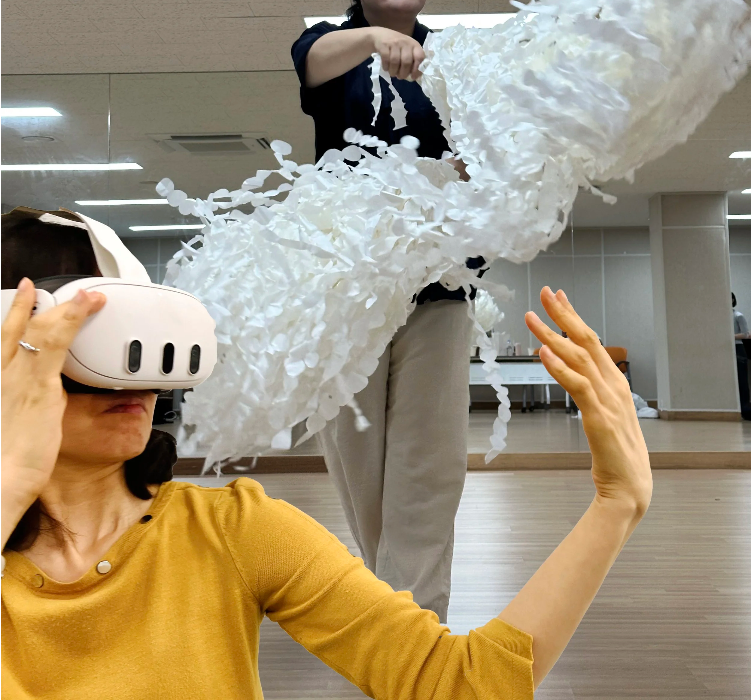
In development
Korean and US premieres are projected for fall 2026 and spring 2027. Center for the Arts at Wesleyan University will present a seminar on the work’s philosophies of experience, September 24–27, 2026.
01 / Enter the environment
Project overview
Breath Between Spacesis a bio-responsive virutal reality experience designed to help medical students and healthcare professionals reconnect with their bodies through breath, stillness, and immersive environmental interaction. Instead of rewarding constant movement, the experience encourages users to slow down, breathe, and simply be present within a peaceful Zen-inspired landscape.
Concept & intent
The project explores how virtual environments can encourage mindfulness through active presence rather than passive relaxation. Breathing becomes the primary form of interaction, creating a visual bio-feedback loop where the world gently responds to the user's physiological state.
02 / Environment Development
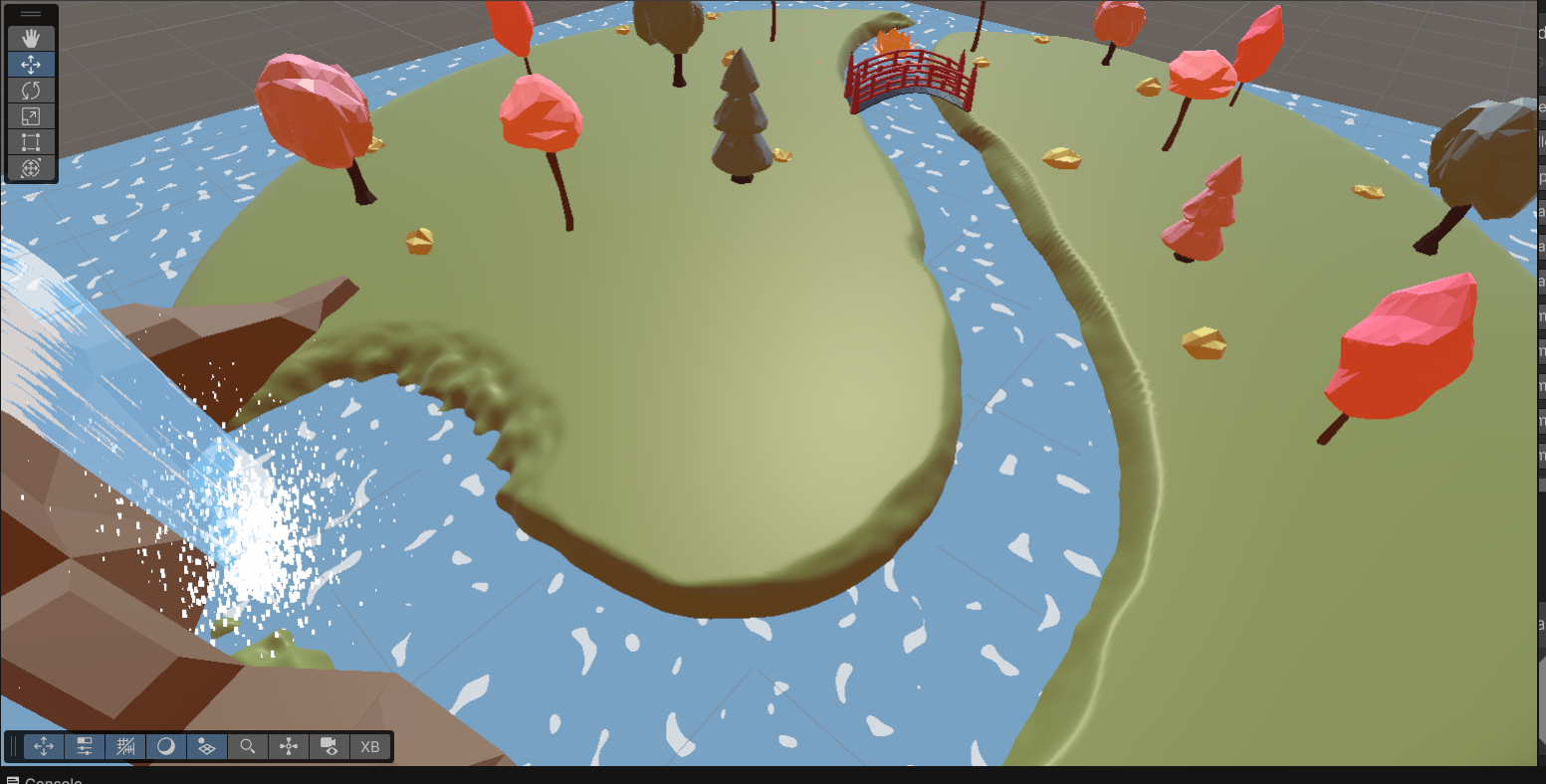
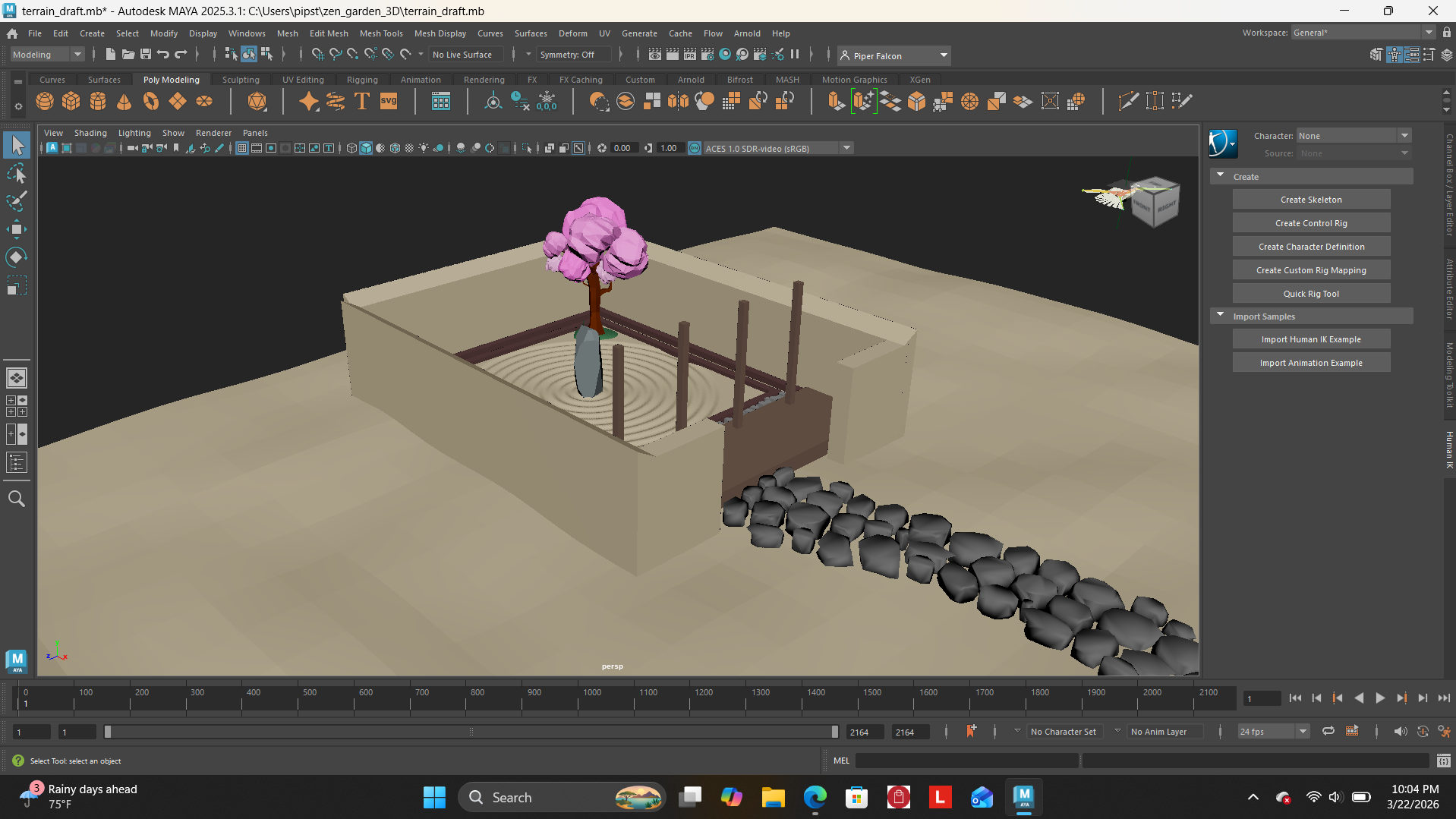
My role
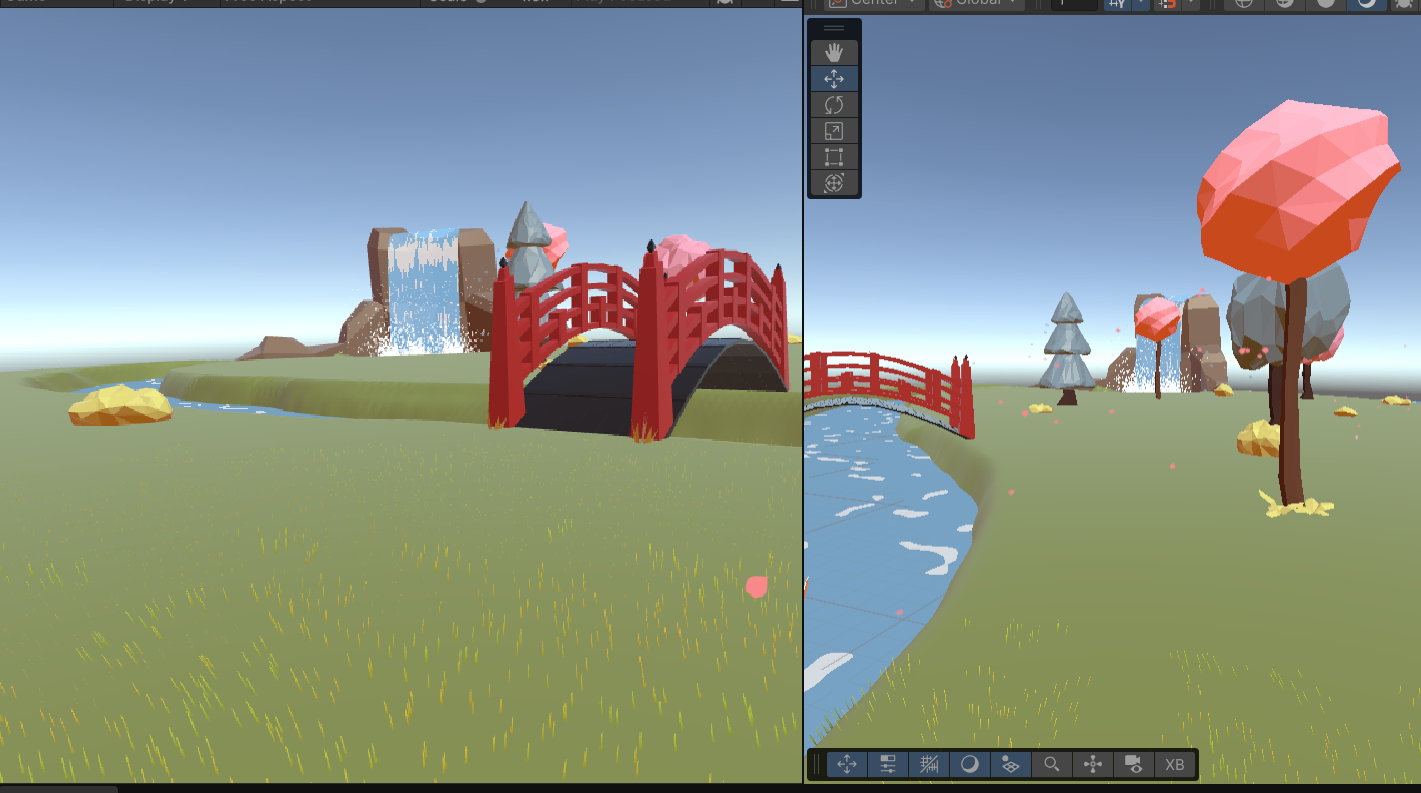
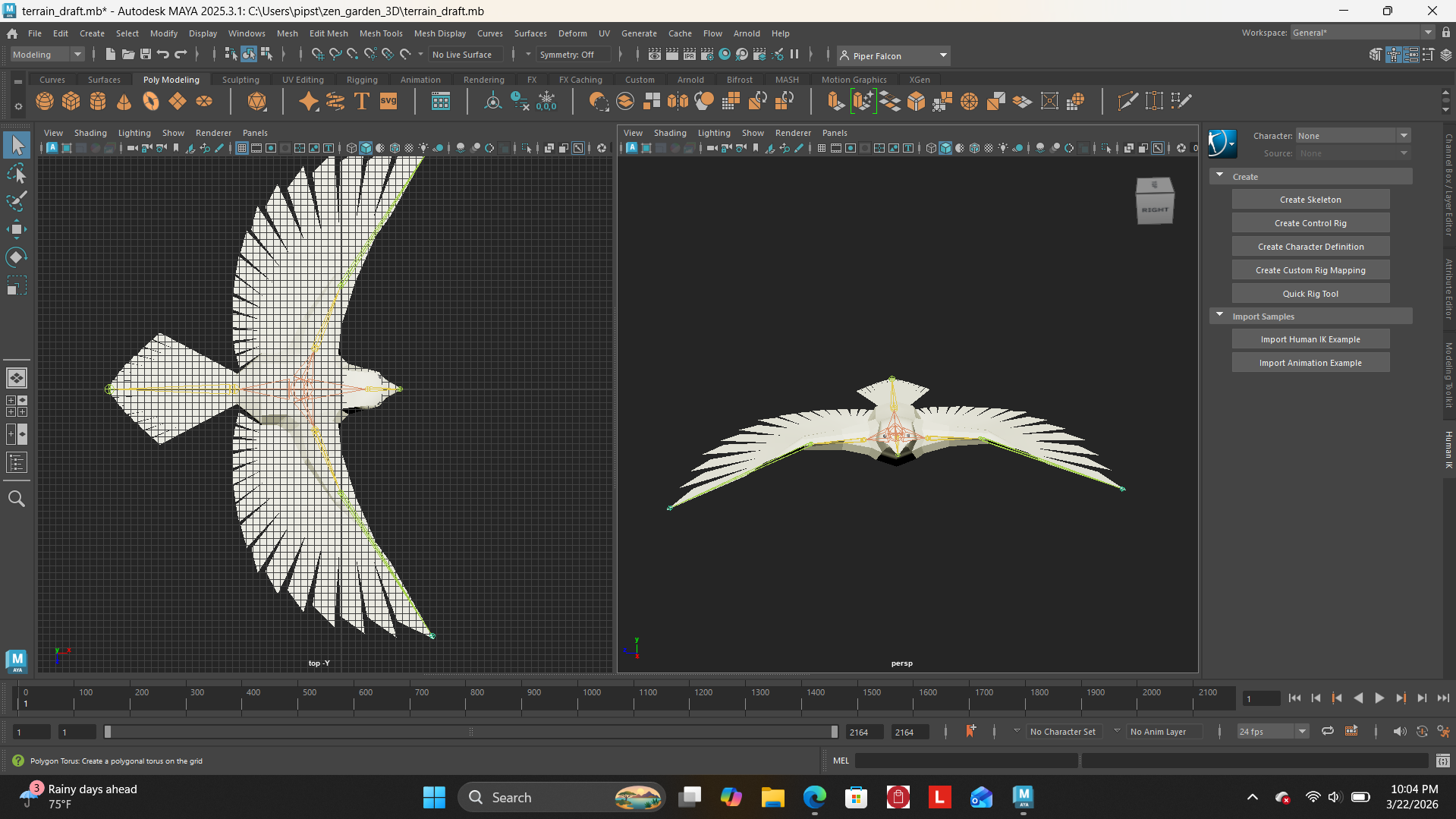
I led concept development and collaborated to create the immersive environment through 3D modeling, Unity scene assembly, environmental composition, and real-time visual effects. My work focused on building a calming atmosphere that supported mindful exploration while maintaining optimized VR performance.
03 / Visual effects & shaders
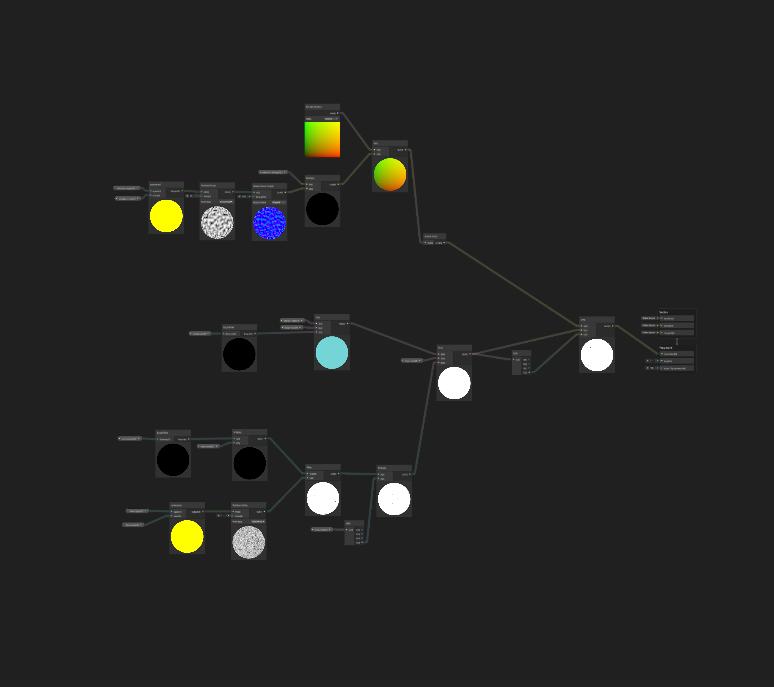
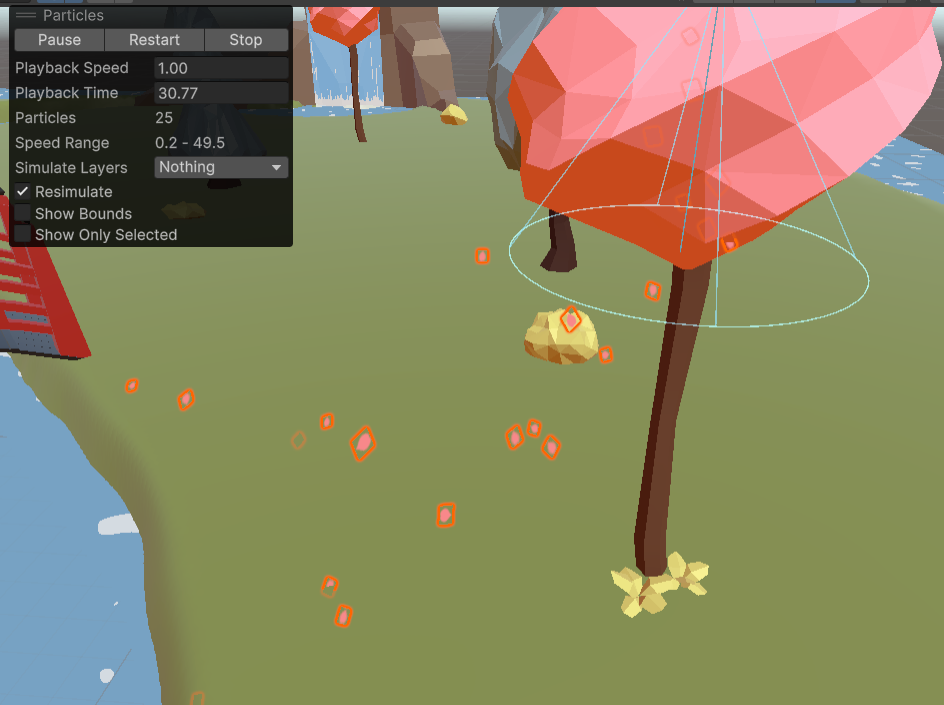
Technical implementation
The environment was developed in Unity using Shader Graph, particle systems, and real-time visual effects. Flowing water, animated waterfalls, drifting leaves, and subtle environmental movement were designed to reinforce relaxation without distracting from the breathing experience.
04 / Bio-Responsive interaction
The world responds directly to the user's breathing, encouraging slower, more intentional breath patterns. Stillness itself becomes an interaction mechanic-certain experiences only become available once the participant pauses movement and remains present, shifting progression away from speed and toward mindfulness.
01 / Creative Direction
Project Overview
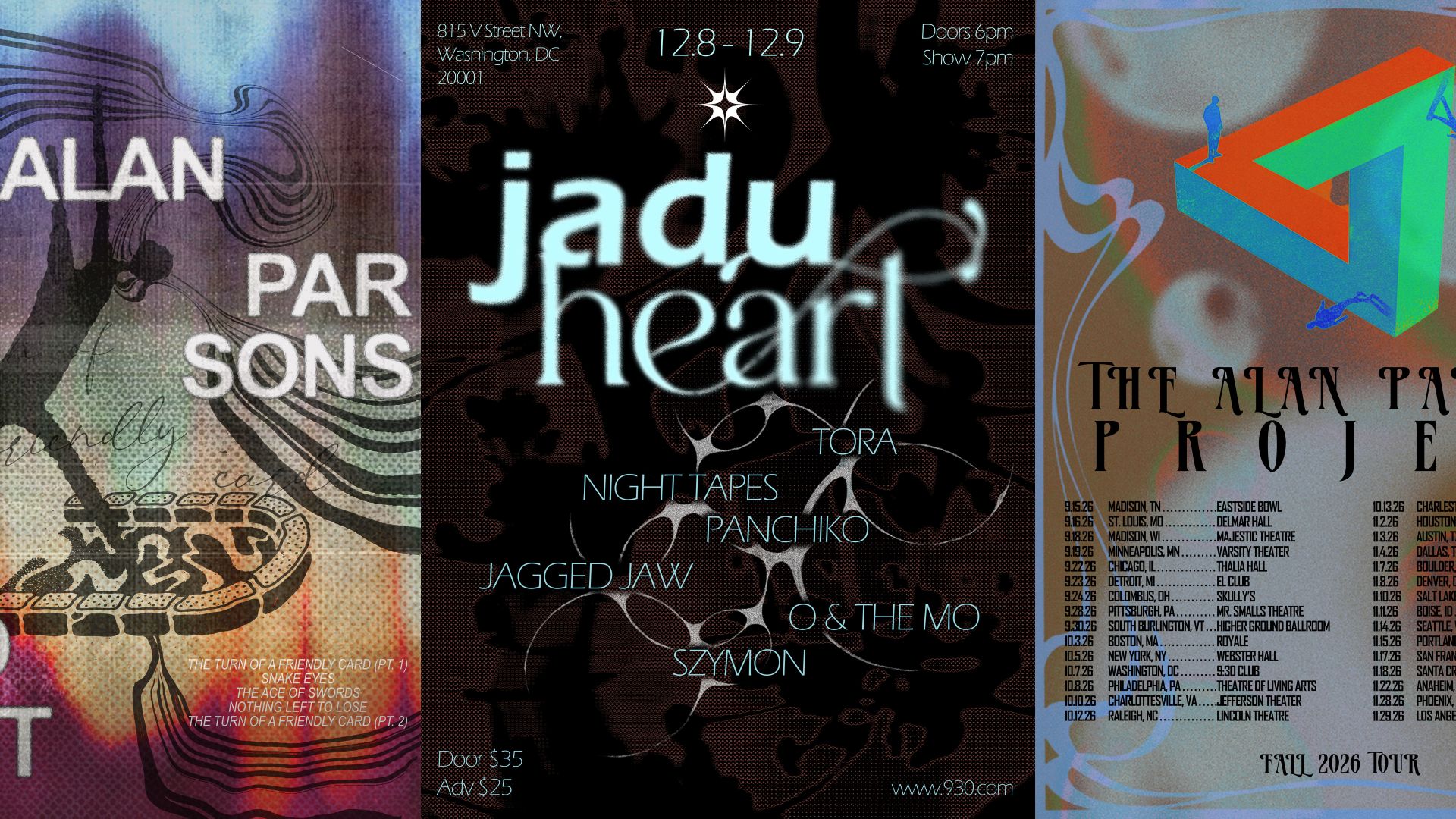
Creative Direction is an ongoing collection of speculative branding projects developed for musicians and bands. Each identity explores how typography, imagery, merchandise, motion, and promotional materials can translate an artist's sound into a cohesive visual language. Rather than redesigning existing branding, these projects imagine new creative campaigns that extend the atmosphere of the music into physical and digital experiences.
02 / Jadu Heart
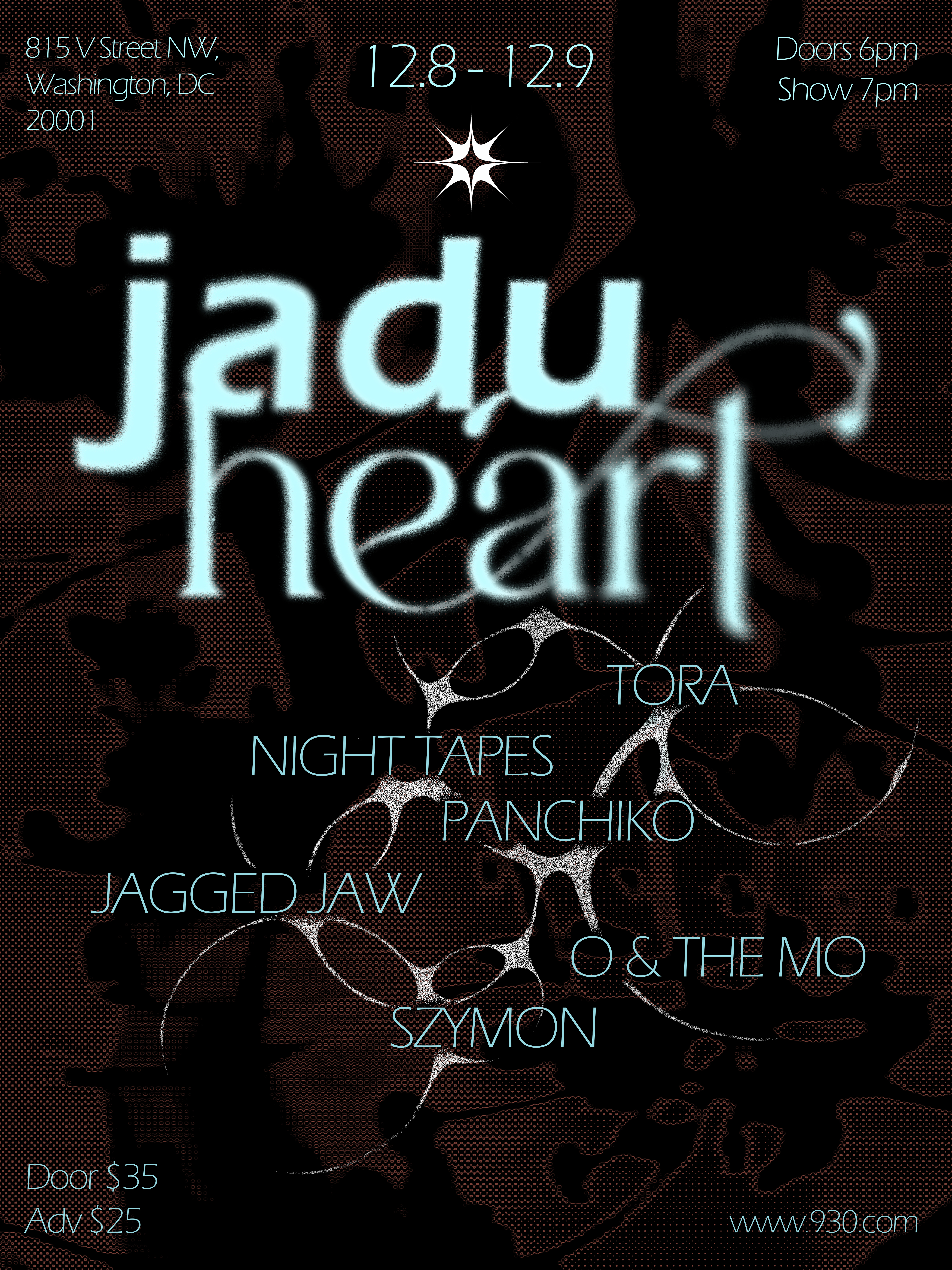
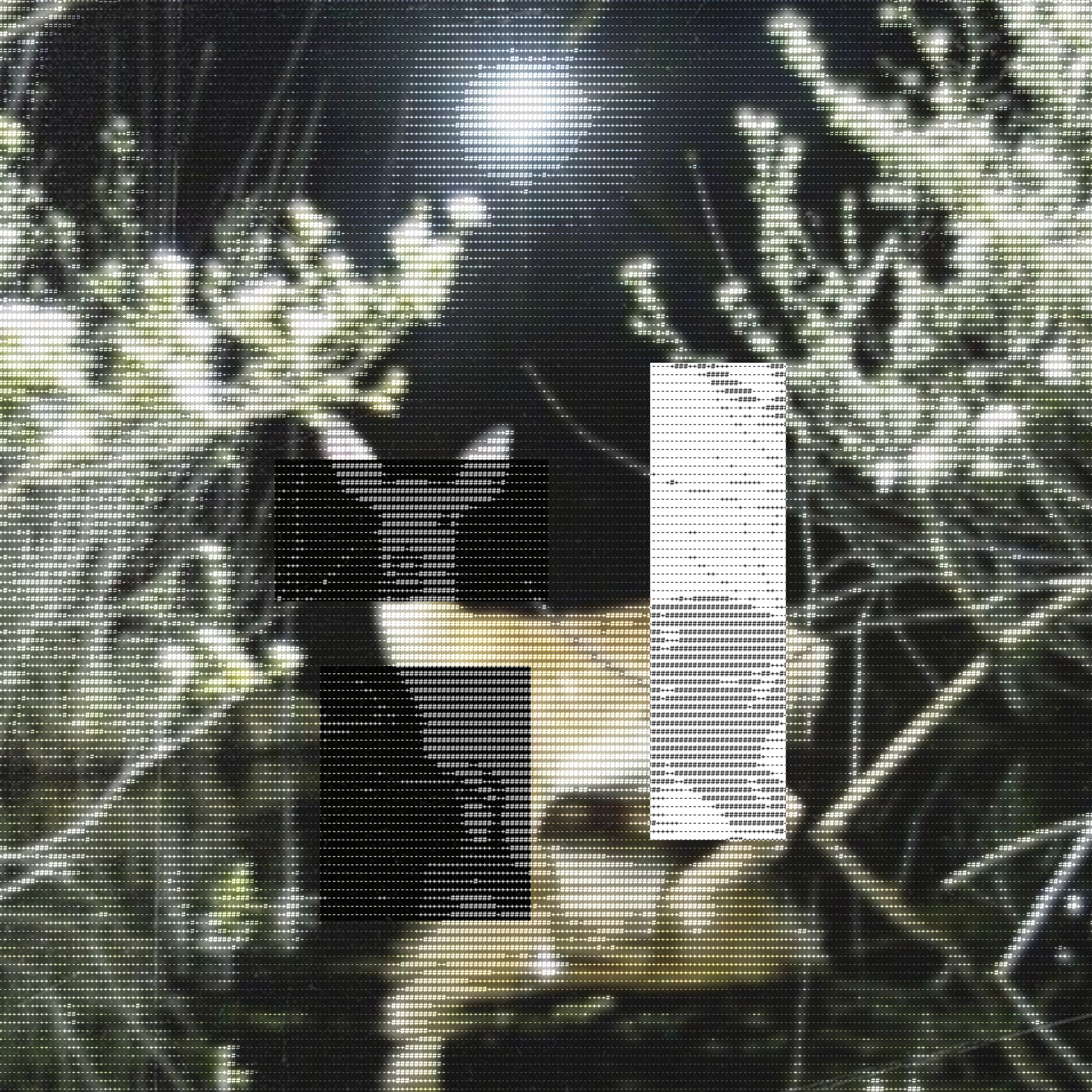
Rather than reflecting Jadu Heart's existing branding, this project explores an alternate visual identity that pushes further into the band's experimental electronic sound. Influenced by retro-futurism, CRT technology, digital decay, and surreal dreamscapes, the identity uses fragmented imagery, layered textures, and cinematic motion to create a world that feels immersive, mysterious, and emotionally charged. The resulting system spans album artwork, tour posters, merchandise, and animated visuals, imagining how the band's visual language could evolve alongside its more electronic and atmospheric music.
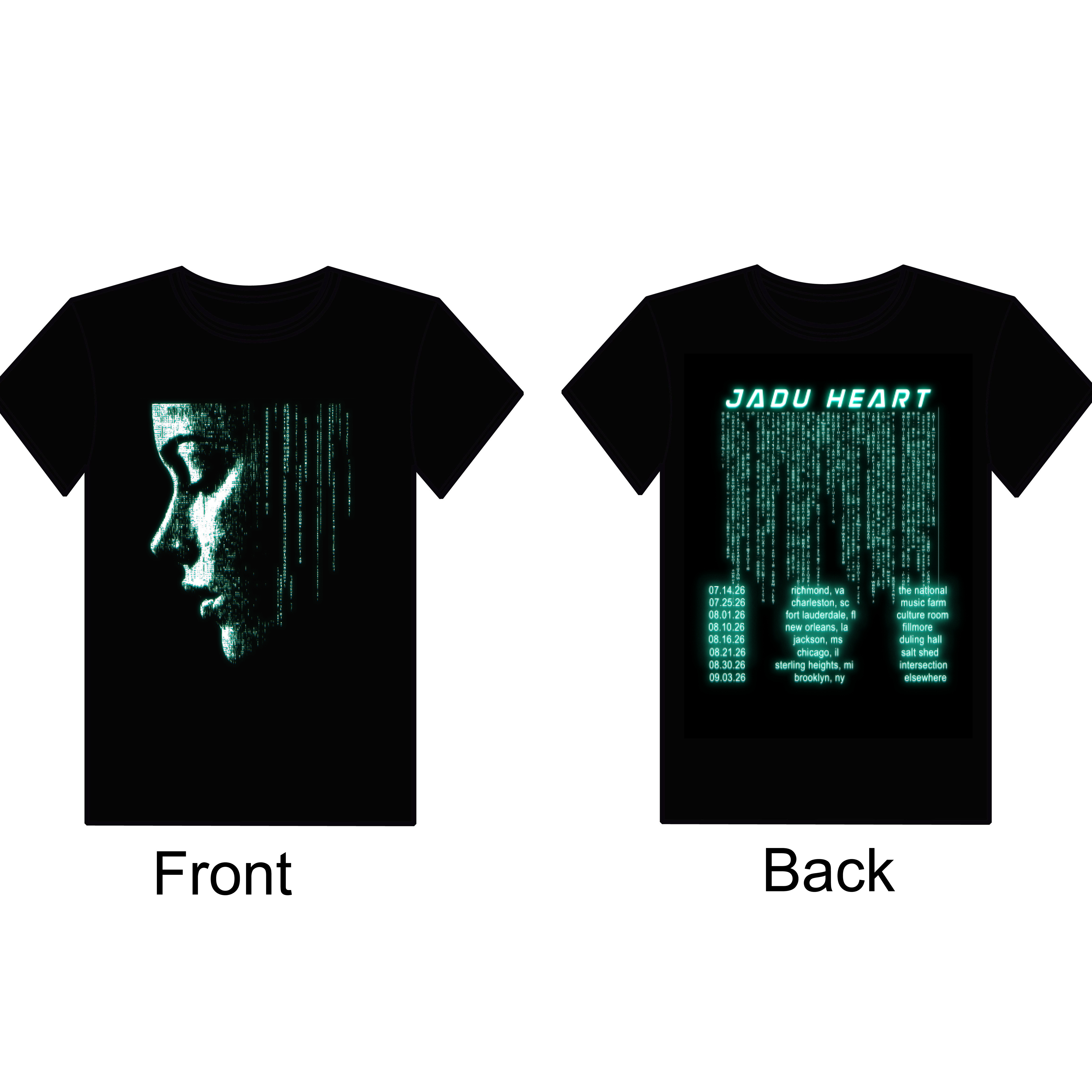

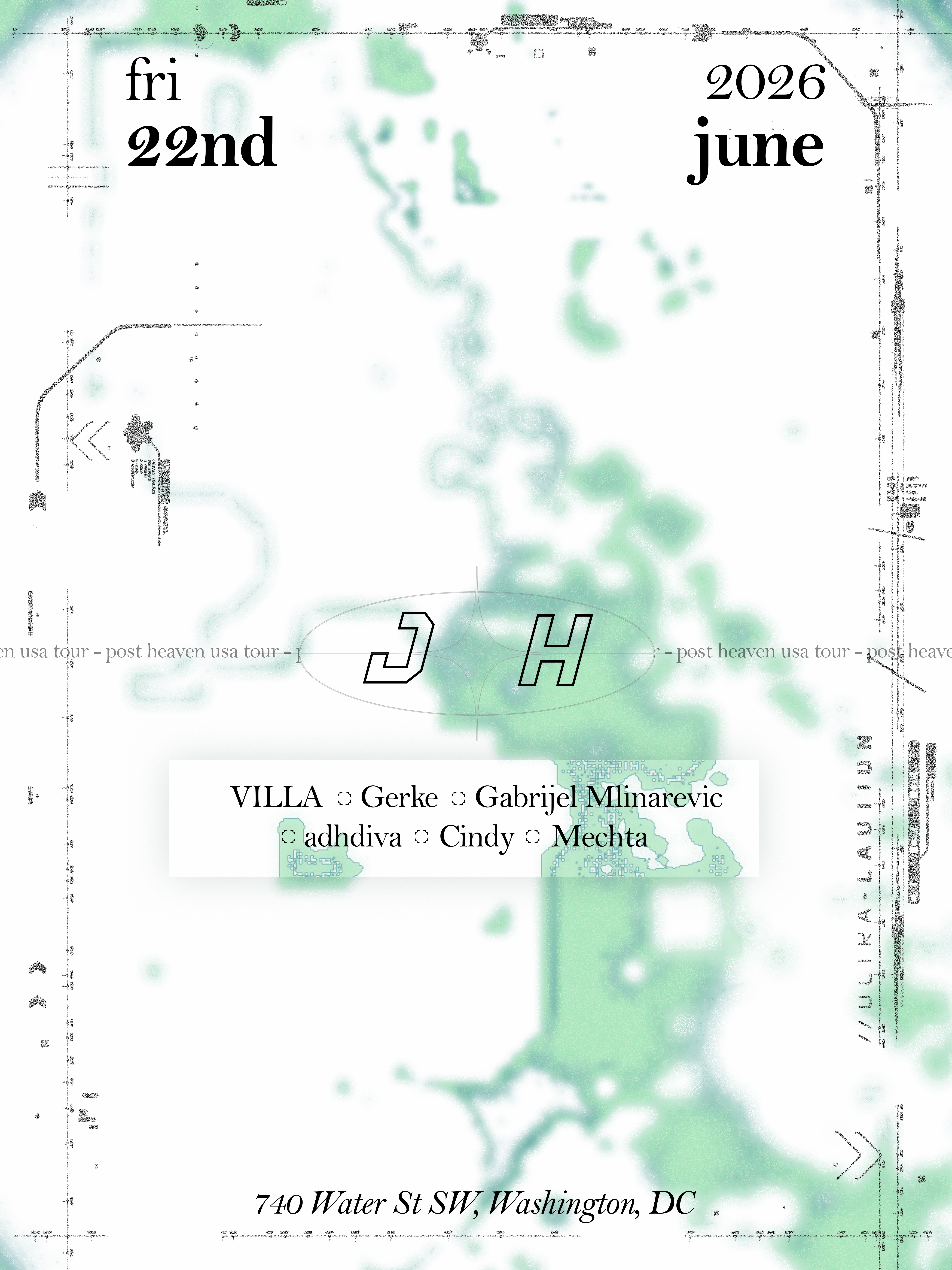
Artist Website
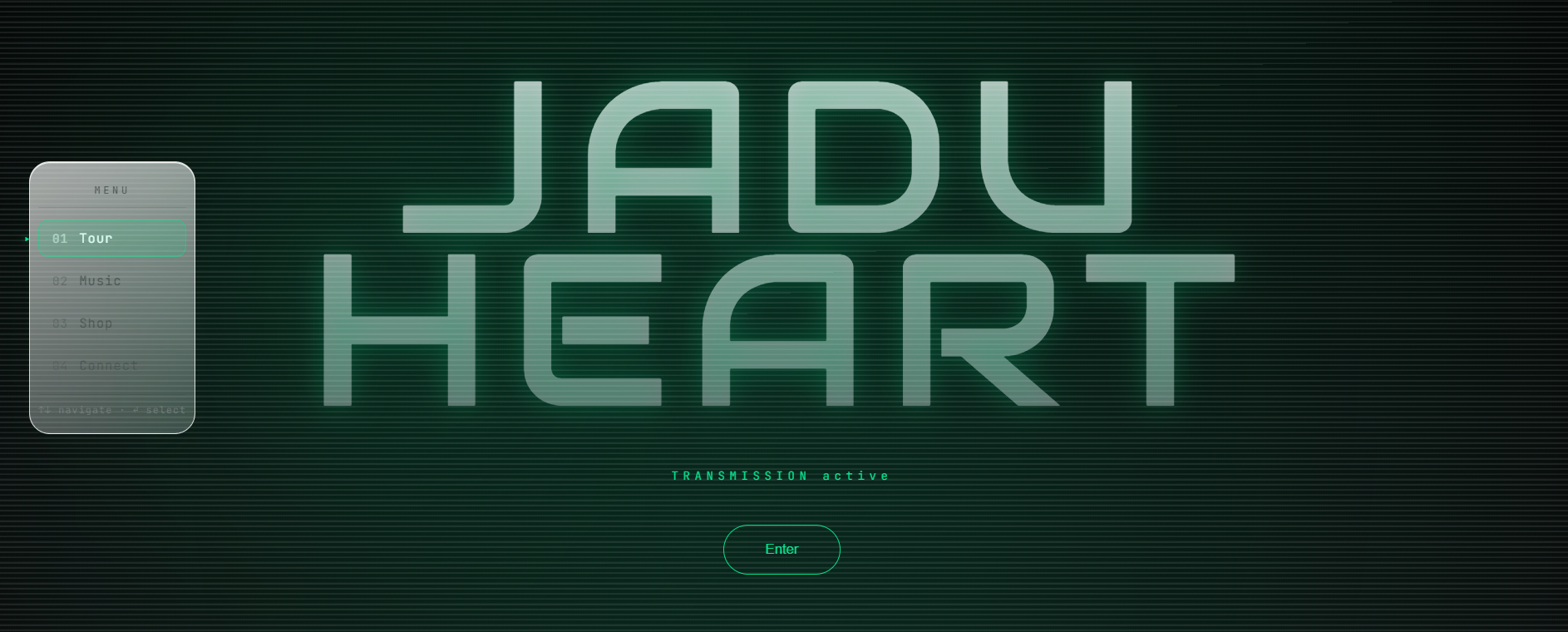
To explore how the visual identity could extend beyond print and merchandise, I designed and developed a fully coded promotional website for Jadu Heart. The site combines immersive motion, WebGL backgrounds, and interactive navigation to translate the band's atmosphere into a digital experience.
03 / The Alan Parsons Project
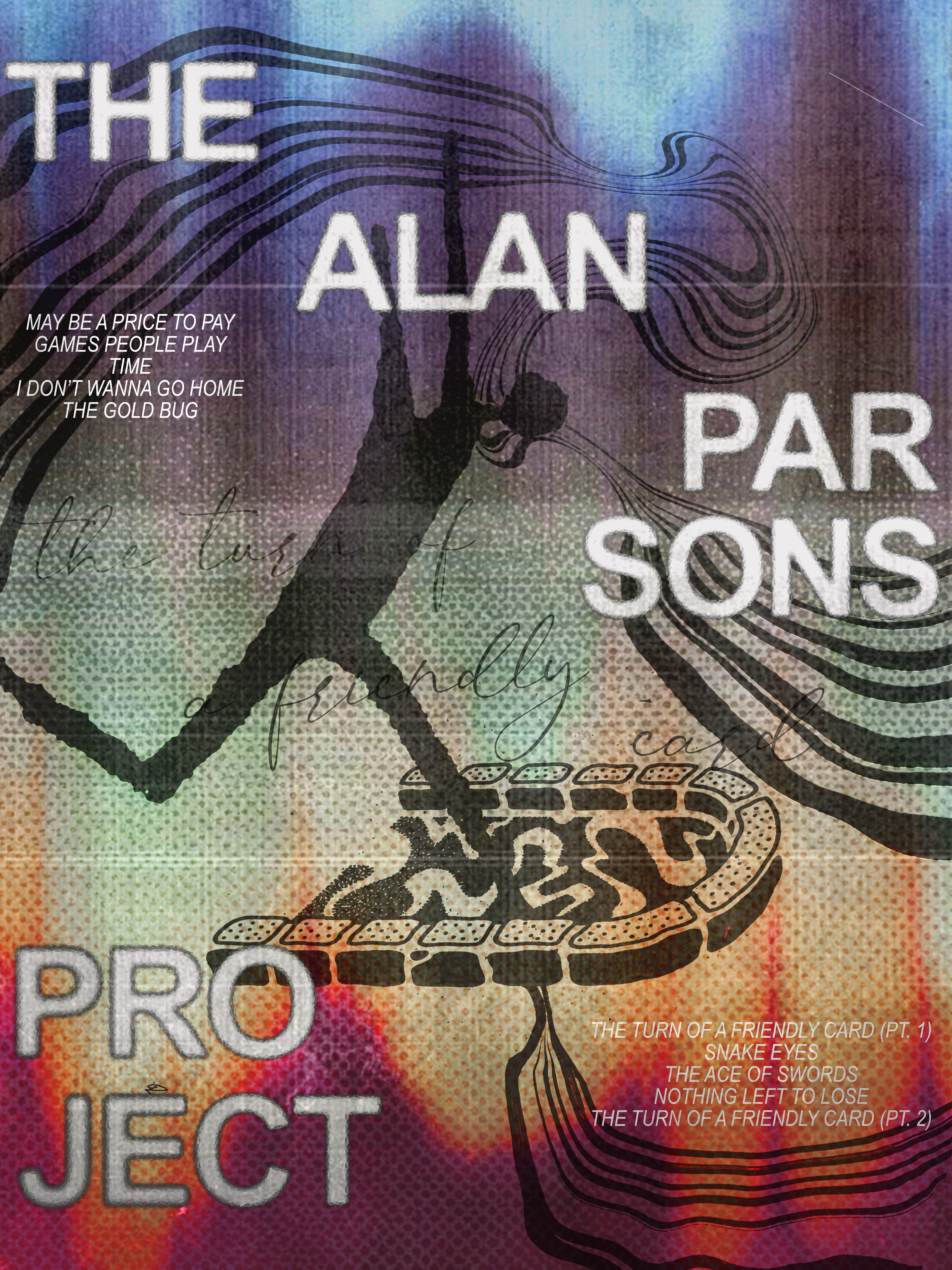
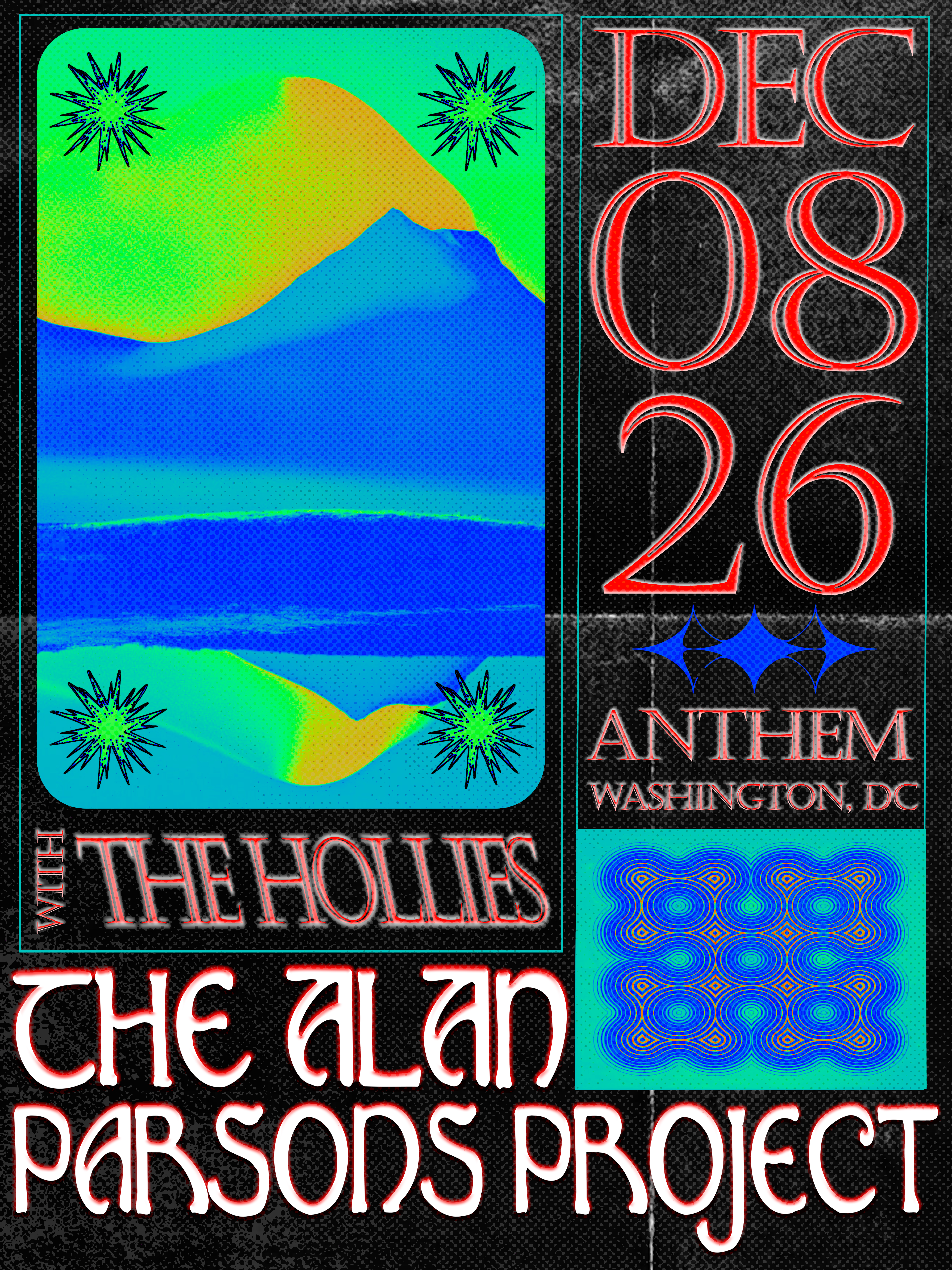
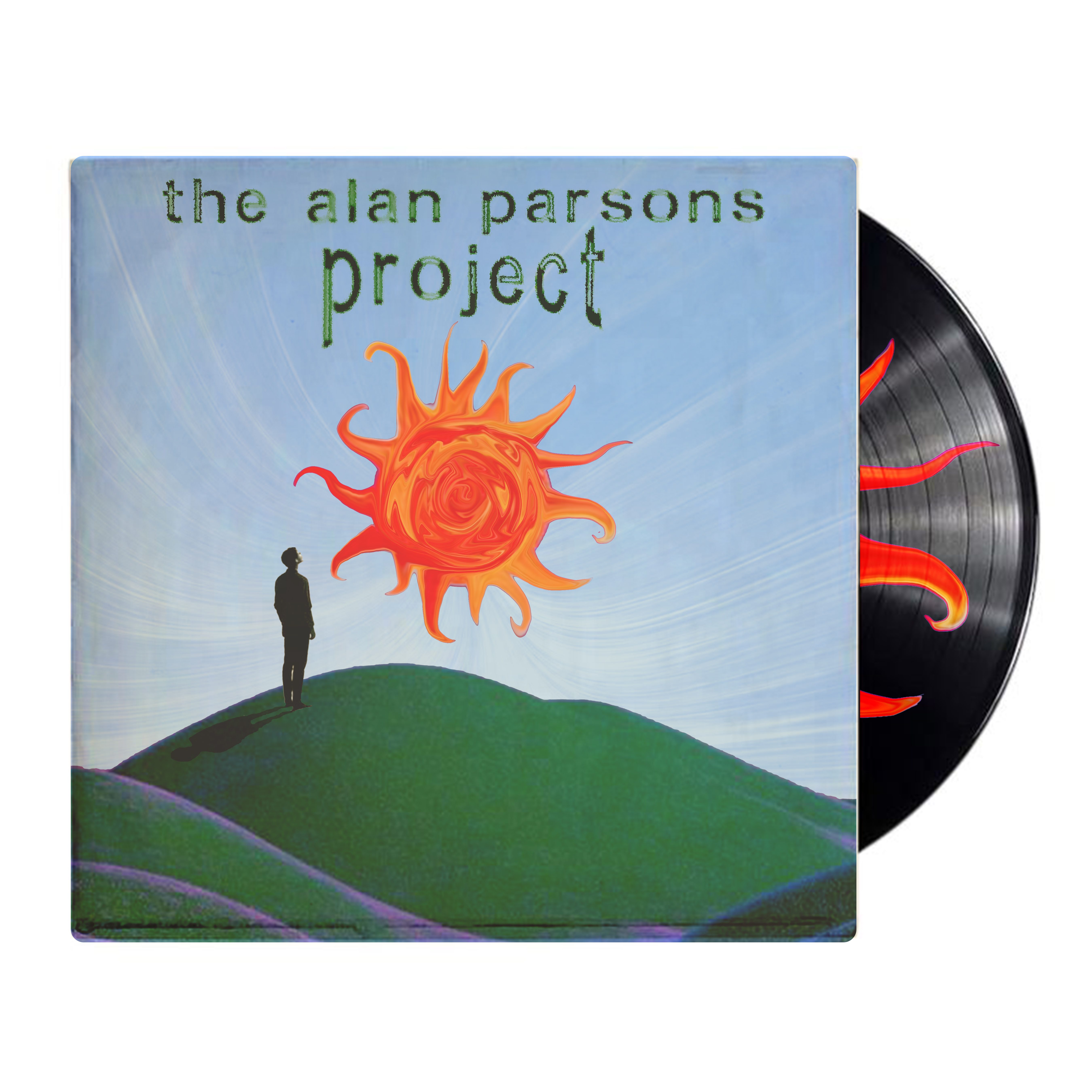
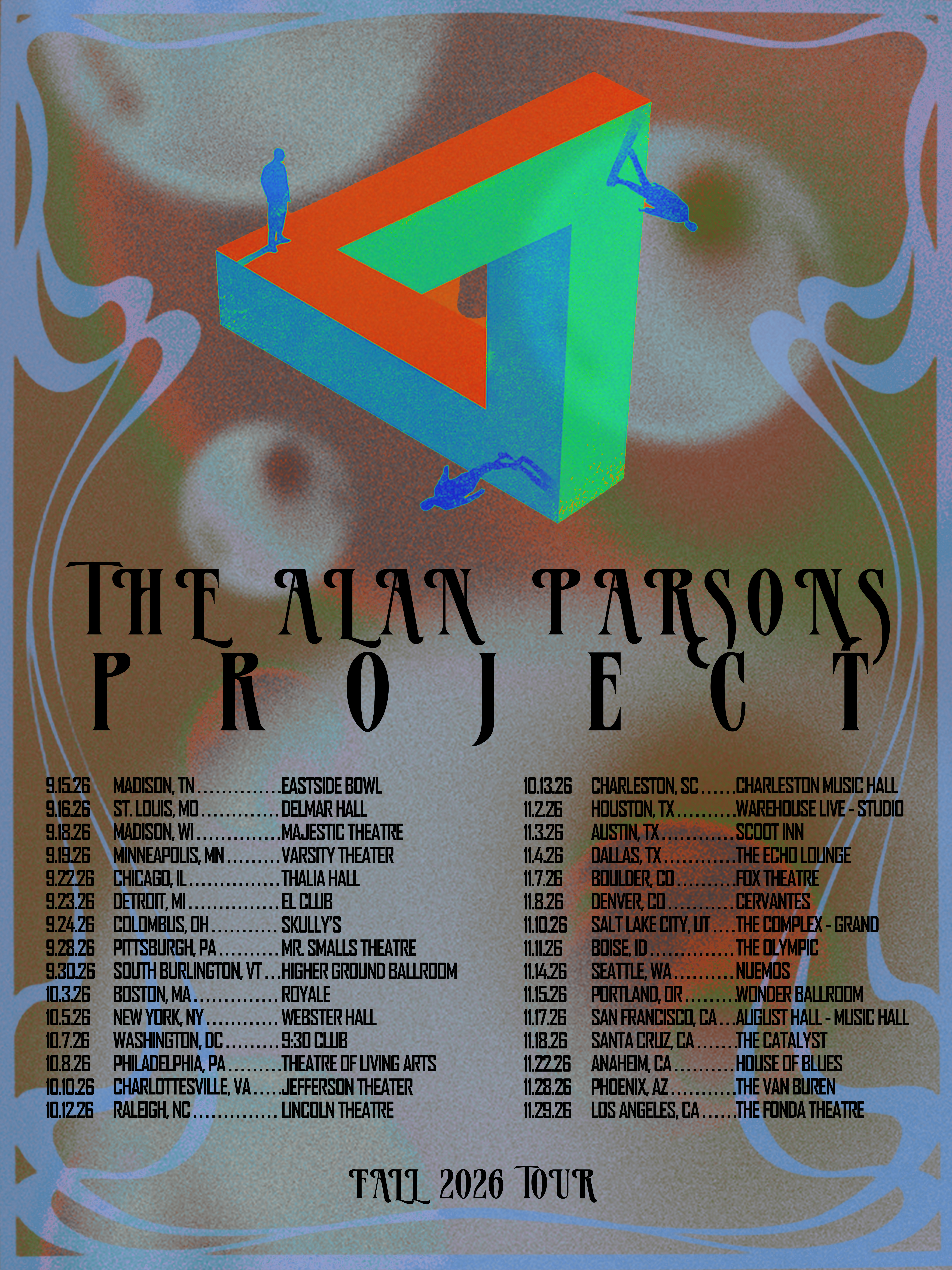
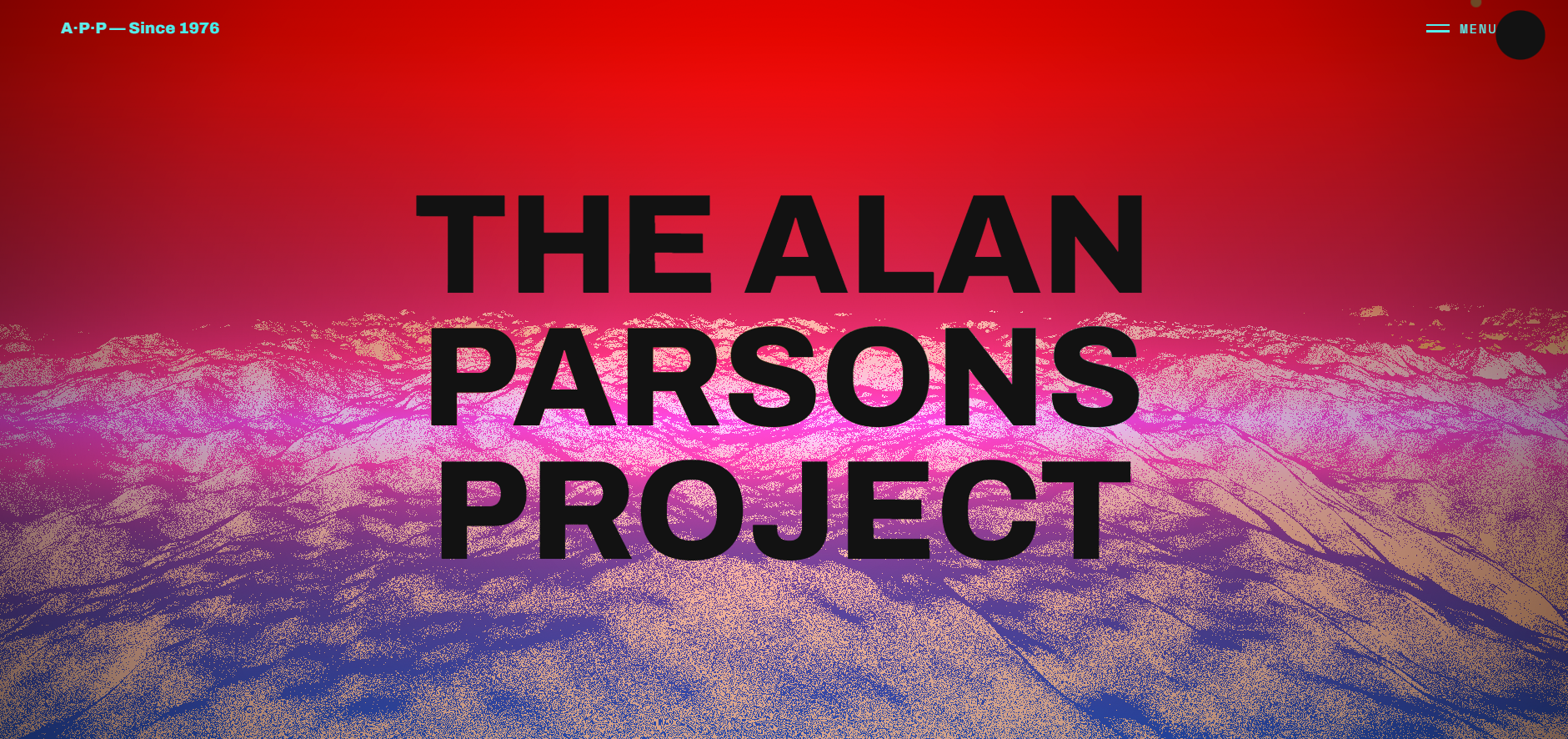
This speculative campaign reimagines the visual identity of The Alan Parsons Project through contemporary graphic design while preserving the band's progressive rock roots. Cosmic imagery, geometric layouts, and retro-futuristic typography reference the group's history while creating a modern promotional system for today's audiences.
Artist Website
To explore how the visual identity could extend beyond print and merchandise, I designed and developed a fully coded promotional website for The Alan Parsons Project. The site combines immersive motion, WebGL backgrounds, and interactive navigation to translate the band's atmosphere into a digital experience.
Design approach
Every project begins by studying the artist's music, themes, and visual references before developing moodboards, typography systems, color palettes, and promotional assets. The goal is to create complete visual identities that could exist across album releases, tour campaigns, merchandise, social media, and live experiences.
01 / The Concept
Project overview
NeoGen is a real-time interactive installation concept developed as a submission for the Seven Stars Music Festival. Participants' bodies become points of attraction within a living particle system — no controllers, screens, or instructions required. The moment someone steps into the space, their presence alone begins shaping the environment around them.
Concept & intent
Inspired by natural phenomena — the pull of starlight, the drift of energy fields — NeoGen visualizes the invisible forces that draw people together. The piece was designed around four core values: inclusion (no prior knowledge needed), curiosity (every gesture reveals something new), sharing (the work grows richer as more people join), and wild abandon (there is no "correct" way to engage).
02 / From Prototype to Installation
My role
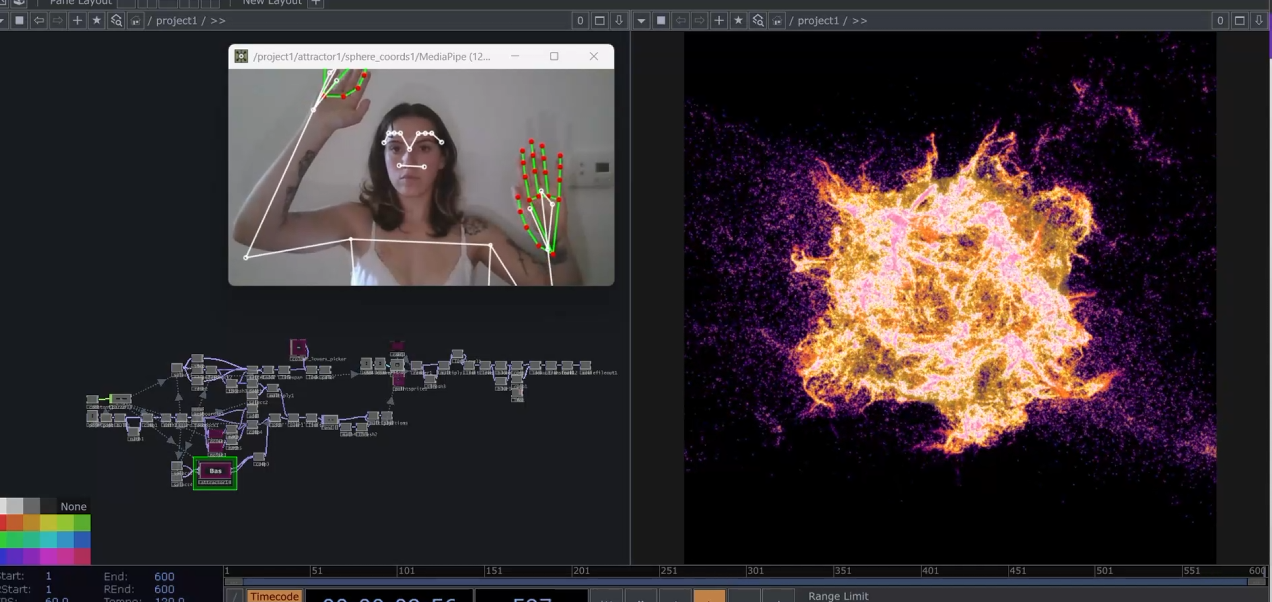
I led concept development, system design, and the working prototype build. Using TouchDesigner and real-time hand tracking as a stand-in for full-body presence detection, I built a system where each hand functions as an attractor node, with particles responding dynamically to proximity and motion. I also authored the concept pitch deck outlining the installation experience, technical approach, and audience interaction design for festival submission.
03 / Technical System
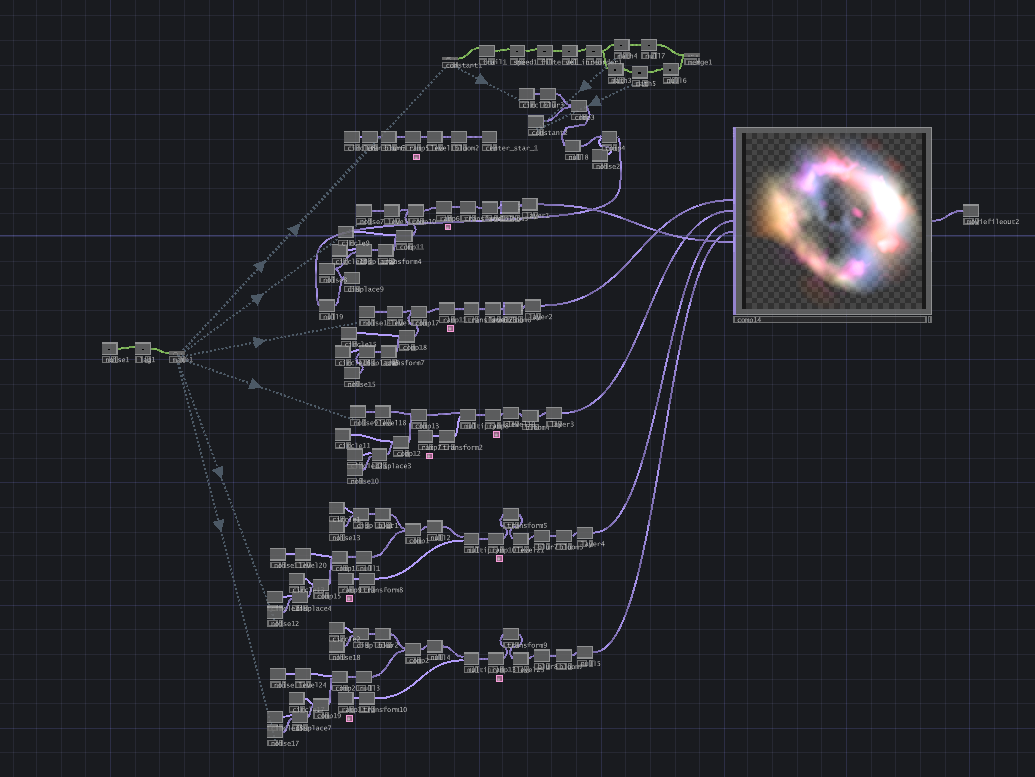
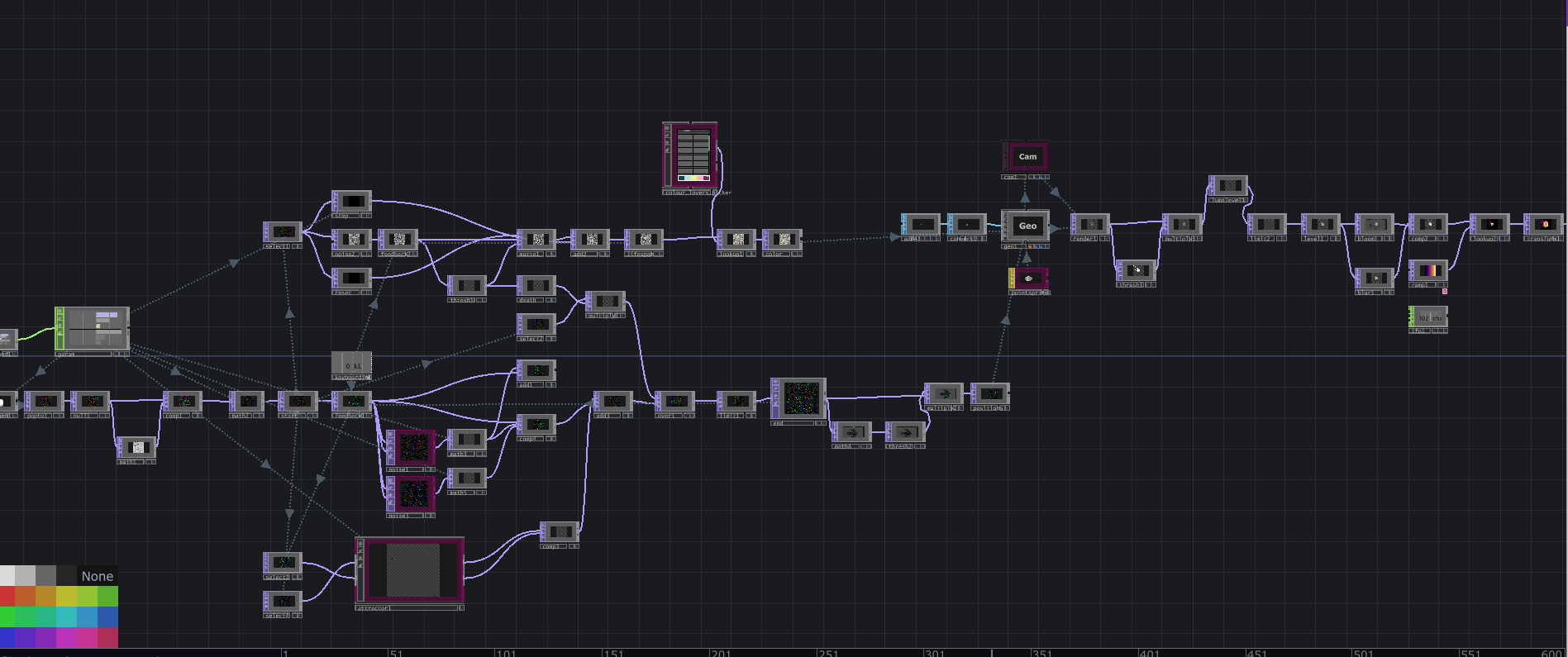
The prototype runs in TouchDesigner, using MediaPipe-based tracking to detect participant position in real time and feed it into a GPU particle system. Particles respond dynamically to proximity and motion, transforming physical gestures into a shifting field of light. The final installation is designed to scale this system to full-body depth sensing, with multiple participants tracked simultaneously across a shared space — no internet connection required, with all processing running locally.
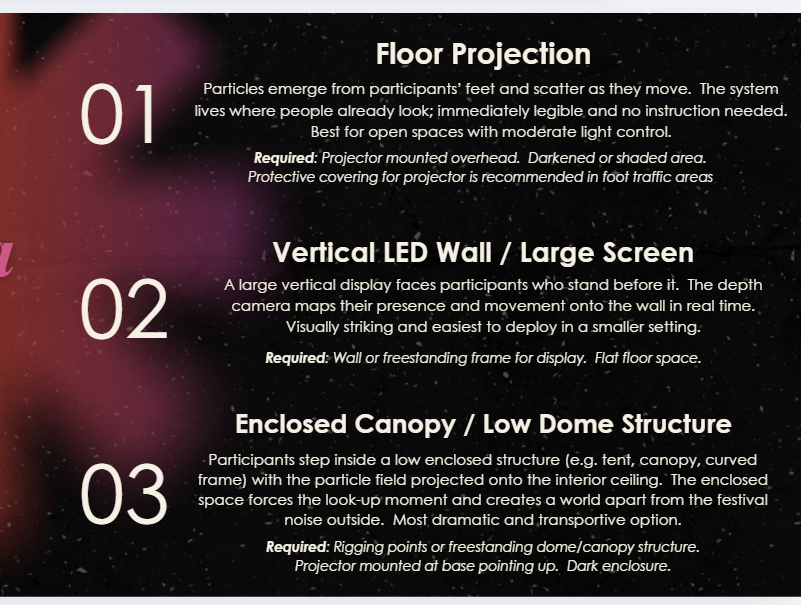
04 / Deployment & Experience Design
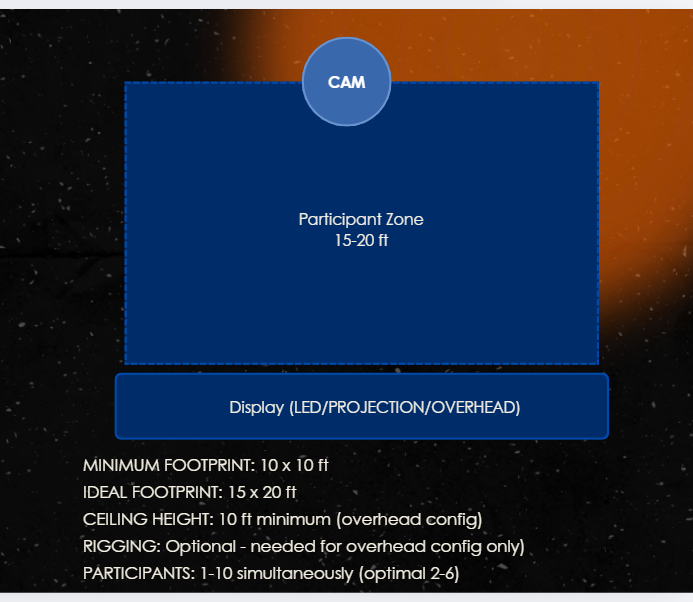
As part of the pitch, I designed three deployment paths to fit different festival environments — a floor projection setup (most intuitive, particles emerging from participants' feet), a vertical LED wall (easiest to deploy, most self-contained), and an enclosed canopy or dome structure (most immersive, projecting the particle field overhead). Each configuration was scoped with its own spatial footprint, power, lighting, and budget requirements, ranging from roughly $800 for a simple LED wall setup to $8,000 for a full dome installation — giving festival organizers flexibility depending on venue and budget.